Save millions with steam
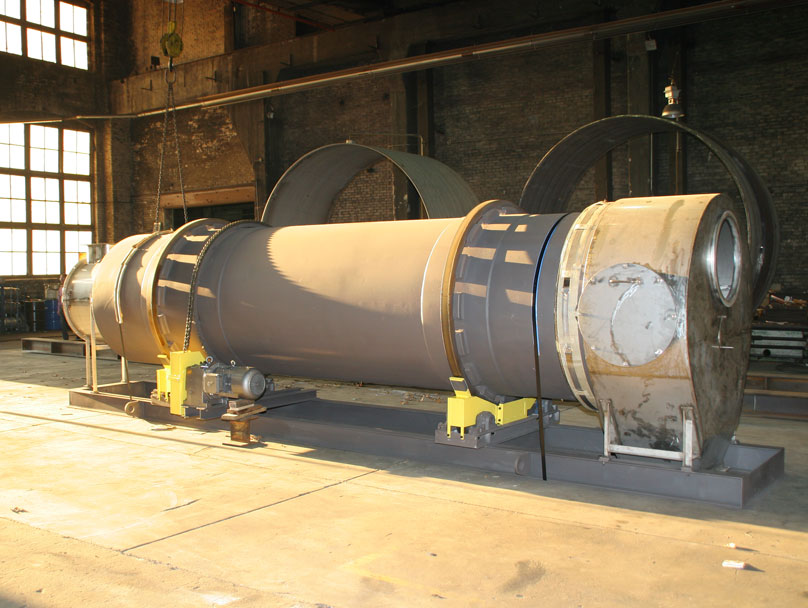
A rotary steam tube dryer is often chosen when product quality, energy efficiency and operational stability matter more than brute heat. At Williams, White & Company, we design indirect steam rotary dryer systems for operations that demand predictability over decades, not just the next production run.
These dryers have earned their reputation by doing one thing exceptionally well — delivering uniform, low-temperature drying without exposing material to direct flame or combustion gases.
Demanding industries have long trusted this indirect heat dryer approach, and its value becomes even clearer in facilities where feed conditions shift and uptime matters. When the process changes, the dryer should not become the bottleneck.
In practice, this stability supports tighter quality tolerances, smoother production planning and greater confidence when scaling output or introducing new materials into an existing process.
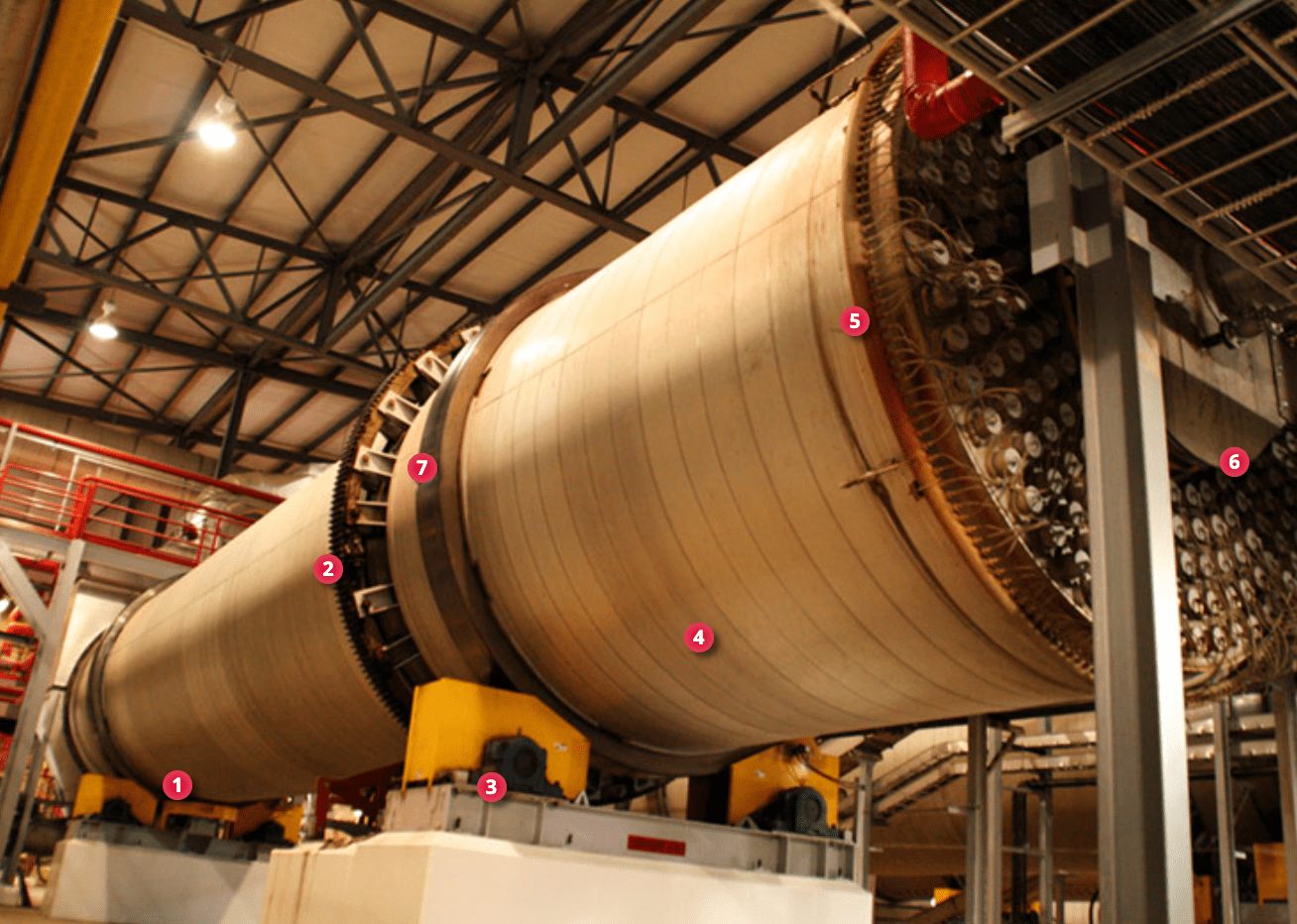
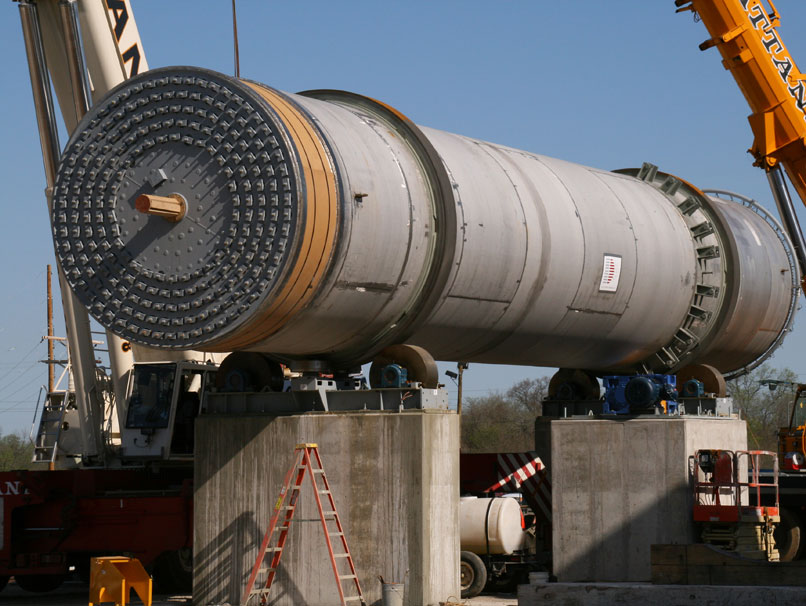
Unlike direct-fired systems, a rotary steam tube dryer transfers heat through conduction. Steam flows through internally mounted tubes, warming the material gently as it tumbles through the drum. This design allows operators to maintain lower operating temperatures — typically between 250° and 350° Fahrenheit — while still achieving consistent moisture reduction.
That controlled heat profile protects product integrity. It also makes the system more forgiving. Variations in moisture content, particle size or feed rate are absorbed rather than amplified, which is why many plants rely on indirect rotary dryers when process stability is nonnegotiable.
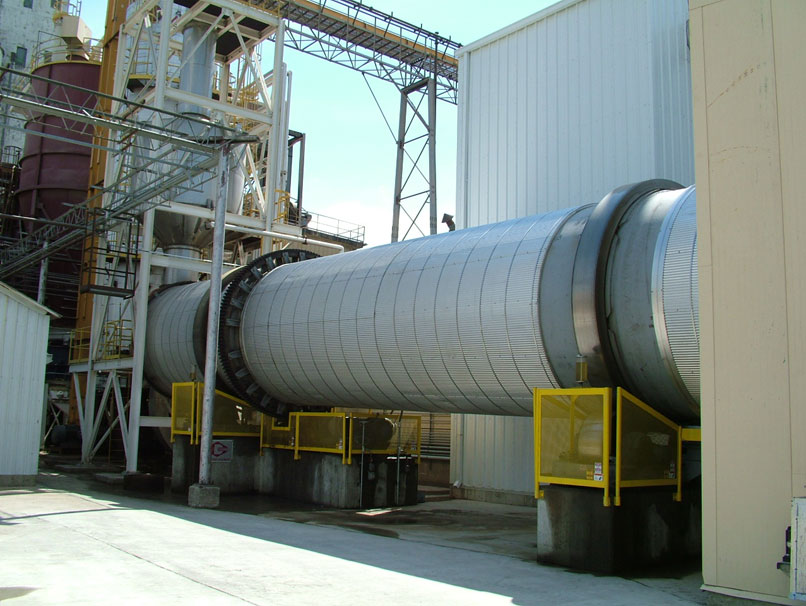

Steam tube dryers are known for strong thermal efficiency, but performance depends on execution. Our designs focus on maximizing heat transfer while minimizing unnecessary airflow, which reduces energy loss and supports secondary steam utilization. Over time, that efficiency translates into meaningful operating cost savings.
Operators also appreciate the simplicity. Fewer process variables mean fewer adjustments, smoother startups and shutdowns that feel as controlled as steady-state operation. That operational confidence is one reason steam tube dryers remain in service for 40 to 50 years when properly engineered and supported.
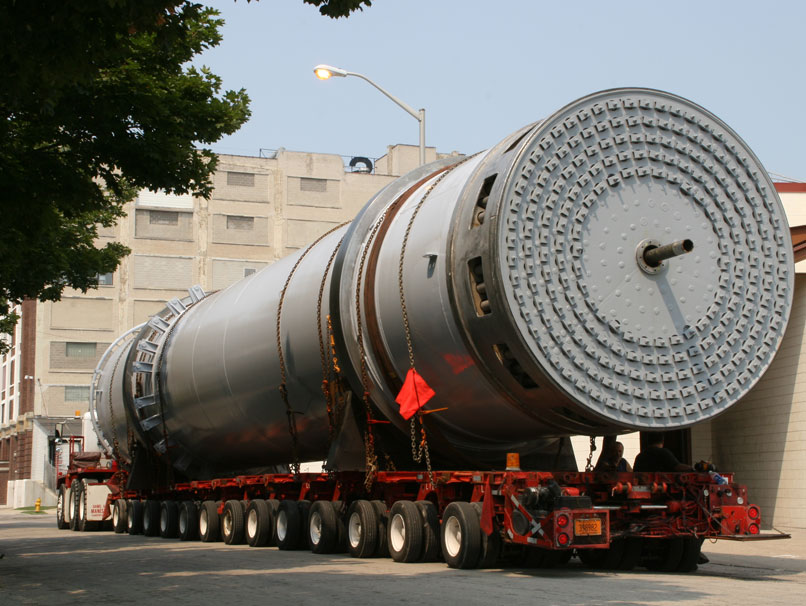
Williams, White & Company’s rotary steam tube dryer designs are informed by real-world application data and validated. This combination of hands-on testing and decades of field experience allows us to tailor indirect rotary dryer systems to specific materials, throughput goals and site constraints. We rely on measured performance, not assumptions.
When you invest in a rotary steam tube dryer, choose equipment that will perform reliably for decades. Our role doesn’t end at delivery. We support these systems with life cycle service, parts and field expertise that protect uptime, and long-term value. That commitment is why so many operators continue to trust Williams, White & Company as their hydraulic and thermal equipment partner.
Connect with us to explore whether a rotary steam tube dryer is the right fit for your material, process and long-term performance goals.